
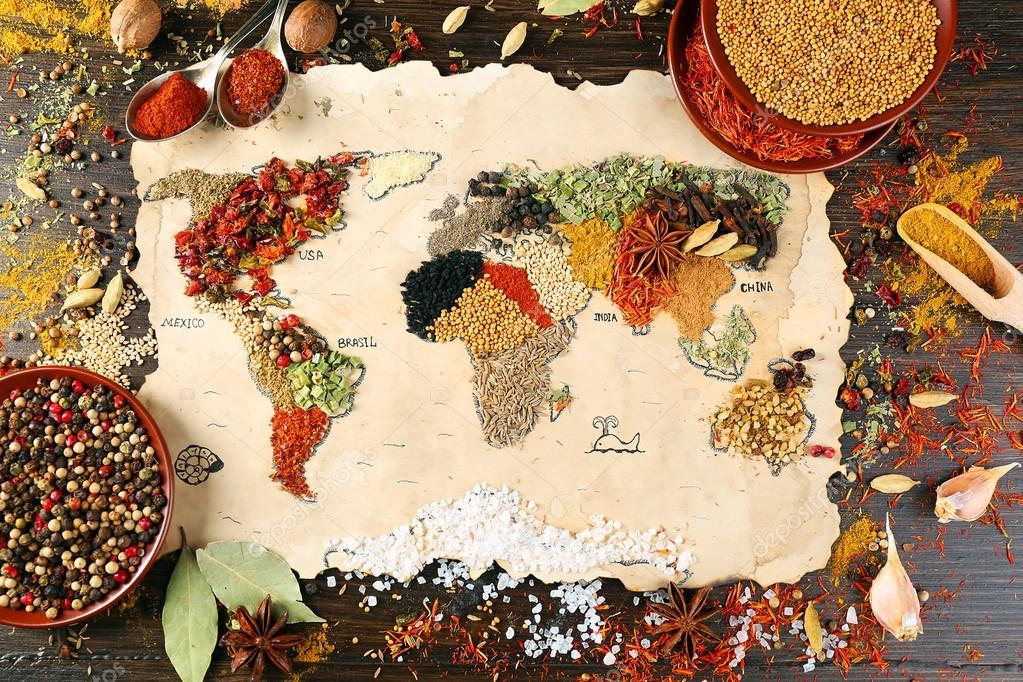
The Global Story of Spices: Origins, Culture, and Culinary Influence

Spices are more than just ingredients; they are cultural ambassadors, carrying centuries of history in their aroma and flavor. Across continents and through generations, spices have influenced cuisines, economies, exploration, and even politics. Their story is the story of human civilization itself. This blog will take you on a journey from the origins of spices in distant lands to their impact on global kitchens today, revealing the fascinating cultural, medicinal, and culinary significance of these extraordinary ingredients.
From the warm sweetness of cinnamon to the fiery punch of chili, each spice tells a story of climate, soil, people, and tradition. Understanding spices means appreciating not only their flavor but also their journey, their role in shaping societies, and the craftsmanship behind their cultivation and blending.
Origins of Spices
Spices originate in very specific regions where climate, soil, and ecosystems create their unique characteristics. For example, the mountainous regions of India produce cardamom with a complex floral aroma, while the deserts of Iran cultivate saffron with its deep golden color and subtle earthy notes. Vanilla thrives in the humid tropics of Madagascar, and cloves flourish in the Indonesian archipelago. Each region’s geography and climate infuse the spice with flavors that are impossible to replicate elsewhere.
Beyond their physical characteristics, spices are intertwined with local culture. Farmers cultivate spices using techniques passed down for generations, and harvest practices often reflect spiritual or ceremonial traditions. Understanding a spice fully requires understanding its home—the land, the people, and the history that shaped it.
The Spice Trade and Global Exploration
The story of spices is inseparable from the history of trade and exploration. Thousands of years ago, spices like black pepper, nutmeg, and cloves were as valuable as gold. Merchants risked their lives transporting these commodities along treacherous land routes and perilous seas. The Silk Road and maritime spice routes became vital conduits for cultural exchange, carrying not only spices but also language, art, and culinary knowledge.
In Europe, the demand for exotic spices fueled exploration, leading to the discovery of new continents and maritime routes. The Portuguese, Dutch, and British empires competed fiercely for control of spice-producing regions, influencing the course of world history. Trade in spices catalyzed globalization centuries before the modern era.
Spices were catalysts for exploration, drivers of commerce, and agents of cultural exchange that shaped the modern world.
Cultural Significance Across Continents
Spices are deeply embedded in cultural identity and ritual. In India, turmeric symbolizes purity and is used in ceremonies ranging from weddings to religious rituals. In the Middle East, saffron and sumac flavor not only food but social gatherings, linking community and cuisine. Latin American cultures integrate chili peppers into daily meals, reflecting climate, history, and local tastes.
Culinary traditions are repositories of culture. Families preserve recipes and spice blends for generations, teaching each new generation the art of balancing flavors and maintaining the integrity of traditional dishes. Through this, spices carry cultural memory across time, becoming more than ingredients—they are vessels of heritage.
Flavor Profiles and Culinary Techniques
Understanding spices requires recognizing their diverse flavor profiles. Some are sweet, some earthy, others pungent or bitter. These profiles are the building blocks of culinary artistry. Combining spices is a form of craftsmanship: garam masala in India blends warmth with pungency, while Ras el Hanout in Morocco layers complex flavors to produce aromatic depth. Mastering spice combinations transforms ordinary ingredients into extraordinary dishes.
Regional cuisines often rely on a signature spice or blend that defines its identity. These combinations are carefully balanced for taste, aroma, and sometimes health benefits. Through experimentation, chefs and home cooks alike continue to evolve traditions while preserving the essence of classic recipes.
Medicinal and Nutritional Benefits
Many spices are valued for medicinal and nutritional properties. Ginger aids digestion and reduces inflammation. Turmeric is known for anti-inflammatory compounds and antioxidants. Cinnamon helps regulate blood sugar, while cloves provide antimicrobial benefits. Across cultures, traditional medicine has relied on spices not only for health but also for spiritual wellbeing.
Understanding these benefits enriches culinary practice. When spices are used thoughtfully, they do more than flavor—they enhance wellbeing, making meals both delicious and functional.
Modern Use and Sustainability
Today, spices are available globally, yet their origins and cultivation practices remain crucial. Ethical sourcing, sustainable agriculture, and fair trade are increasingly important to consumers. Knowing where your spices come from, and the labor and care involved in producing them, allows us to appreciate their value and ensure future generations can enjoy them.
Modern culinary innovation often combines traditional blends with new techniques. Chefs explore fusion cuisines while consumers experiment with spices in home cooking. The appreciation for quality, authenticity, and origin has created a renewed focus on understanding spices at a deeper level.
The Future of Spices
The journey of spices is ongoing. As globalization continues, exposure to new flavors and cultures inspires chefs, cooks, and enthusiasts to experiment creatively. Culinary schools and workshops now teach the science and art of spices, from cultivation to blending. Spices will continue to shape our food culture, connecting people through flavor, history, and shared human experience.
In every pinch of spice, there is a story of land, people, and tradition. Embracing this legacy allows us to cook, taste, and experience food not just as nourishment, but as a celebration of human ingenuity and culture.
Leave a Reply