
Exploring the Sweet and Warm World of Cinnamon: History, Uses, and Benefits

Cinnamon is one of the most beloved and ancient spices in the world. Its warm, sweet, and aromatic flavor has been cherished for thousands of years, making it a staple in kitchens, medicines, and rituals across cultures. From the bustling markets of Sri Lanka to European bakeries, cinnamon carries stories of trade, discovery, and tradition. This blog explores cinnamon’s journey, culinary applications, medicinal uses, and its cultural significance.
Unlike many spices, cinnamon’s appeal transcends savory and sweet dishes alike. Its distinct aroma and taste evoke comfort, warmth, and nostalgia, making it a spice that connects generations and continents through food.
Origins of Cinnamon
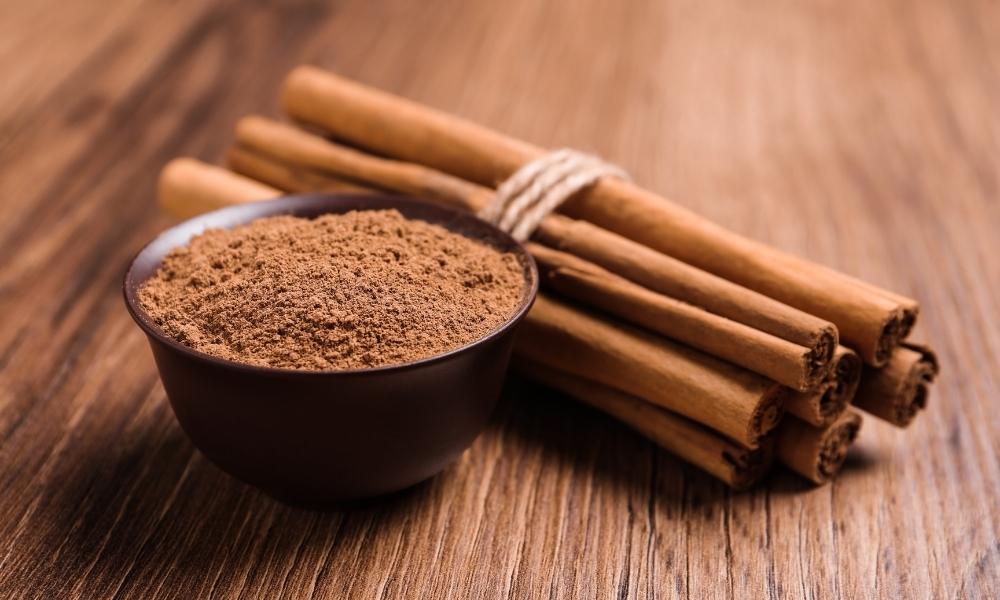
Cinnamon comes from the inner bark of Cinnamomum trees, predominantly grown in Sri Lanka, Indonesia, Vietnam, and China. The harvesting process is labor-intensive: skilled farmers carefully peel the bark, dry it, and roll it into the familiar sticks or grind it into powder. The tropical climate, fertile soil, and centuries of cultivation have contributed to its unique aromatic qualities.
Historical records suggest that cinnamon was highly prized in ancient civilizations, often reserved for royalty and used as a gift among nations. Its rarity and value in early trade made it one of the world’s most sought-after spices.
Historical Trade and Global Influence
Cinnamon’s influence on global trade cannot be overstated. Ancient Egyptians used it in embalming and rituals, while Arab traders monopolized its transport to Europe, creating enormous wealth and demand. The spice routes connected the East and West, and control over cinnamon production influenced political and economic power throughout history.
European explorers, driven by the allure of cinnamon, ventured to Asia, discovering new lands and sea routes. The pursuit of this spice helped shape the age of exploration and altered the course of global commerce forever.
Cinnamon was not just a flavor—it was currency, status, and a catalyst for global exploration.
Culinary Uses Around the World
Cinnamon is incredibly versatile. In South Asia, it flavors curries and biryanis, adding warmth and depth. In Europe and the Americas, it’s central to baked goods, desserts, and spiced beverages. Even in North Africa and the Middle East, cinnamon contributes to complex spice blends, enhancing meat stews and sauces. Its adaptability has made it a bridge between sweet and savory, traditional and modern cuisine.
Understanding cinnamon’s role in cooking requires appreciating its balance. Too much can overwhelm a dish, while the right amount transforms ordinary ingredients into fragrant, flavorful meals.
Medicinal and Health Benefits
Beyond flavor, cinnamon has long been recognized for its medicinal properties. Traditional medicine has used it to aid digestion, improve circulation, and reduce inflammation. Modern research shows that cinnamon may help regulate blood sugar and provide antioxidant benefits. Integrating cinnamon thoughtfully into daily meals can enhance both taste and wellbeing.
Herbalists and wellness enthusiasts have celebrated cinnamon for centuries, demonstrating that its value goes far beyond the culinary world.
Cultural Significance
Cinnamon’s symbolism varies across cultures. In some regions, it represents prosperity and health. In others, it is associated with warmth, hospitality, and comfort. Cinnamon has been part of festive traditions, religious rituals, and home remedies for generations, illustrating how a single spice can carry profound meaning.
Its aroma is often linked to memory and emotion, evoking family gatherings, celebrations, and cultural heritage across continents.
Modern Culinary Innovation
Today, chefs and home cooks alike experiment with cinnamon in new and exciting ways. It’s used in fusion cuisine, cocktails, desserts, and even savory modern dishes. Specialty cinnamon blends and single-origin cinnamon products are gaining popularity, reflecting a growing awareness of quality, origin, and authenticity.
The spice continues to inspire creativity, demonstrating that even ancient flavors can find a place in contemporary culinary expression.
Conclusion
Cinnamon’s journey from tropical forests to global kitchens tells a story of history, culture, and culinary mastery. Its warm aroma, sweet flavor, and rich heritage make it one of the most beloved spices in the world. By understanding its origins, uses, and significance, we can appreciate every pinch of cinnamon as a connection to centuries of human ingenuity and tradition.
Next time you sprinkle cinnamon on your food or add it to a warm beverage, remember you are savoring a spice that has shaped cultures, inspired exploration, and delighted taste buds for thousands of years.
Leave a Reply