
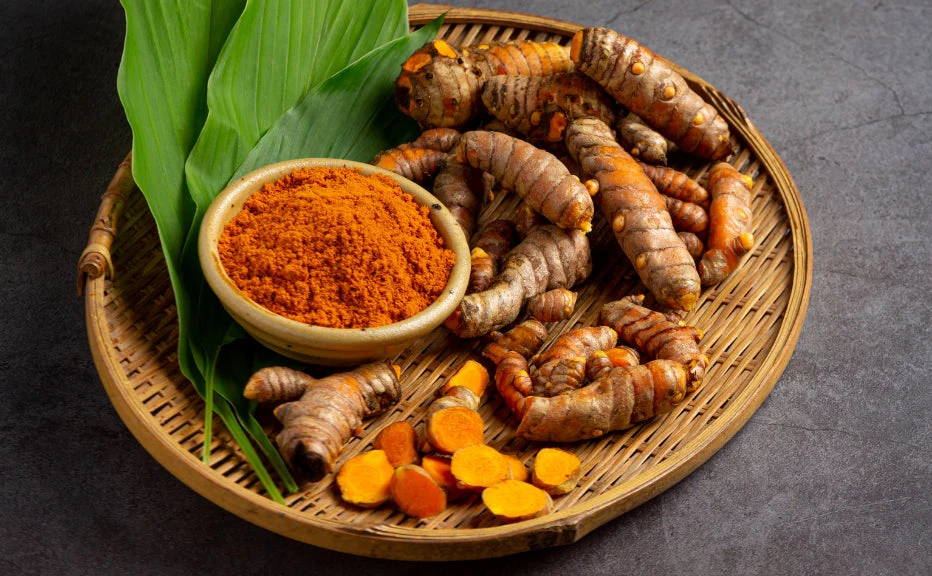
Turmeric: Golden Spice of Health and Flavor

Turmeric, often referred to as the “golden spice,” has been cherished for centuries not only for its vibrant color and earthy flavor but also for its remarkable health benefits. Its signature golden hue adds beauty to dishes, while its warm, slightly bitter taste enhances curries, soups, and beverages worldwide. This blog explores turmeric’s rich history, culinary versatility, medicinal properties, and cultural importance.
From ancient traditions in India to modern kitchens globally, turmeric continues to inspire cooks, healers, and food enthusiasts alike. It is a spice that bridges tradition and innovation, making it both timeless and contemporary.
Origins and Cultivation
Turmeric is native to South Asia, primarily India, which produces over 80% of the world’s supply. It grows in tropical climates and requires warm, humid conditions to thrive. The turmeric plant’s rhizome—the part used as spice—is harvested, boiled, dried, and ground into the familiar yellow-orange powder known worldwide.
Cultivation of turmeric is deeply embedded in local traditions. Farmers use age-old methods to ensure quality, and harvesting often involves rituals to honor the land and ensure a successful crop. This connection between culture and cultivation gives turmeric its rich identity beyond flavor.
Historical Trade and Global Influence
Turmeric has been traded for thousands of years, reaching Africa, the Middle East, and Southeast Asia long before modern shipping existed. Ancient traders valued turmeric for its culinary and medicinal uses, exchanging it alongside other spices on vast trade networks. Its reputation as a healing and coloring agent made it highly sought after across continents.
European explorers encountered turmeric during their travels in India, bringing it back to the West where it became popular in sauces, beverages, and traditional remedies. Over time, turmeric became both a cultural and culinary ambassador across the globe.
Turmeric is more than a spice; it is a bridge between tradition, flavor, and wellness across cultures.
Culinary Uses
Turmeric’s culinary versatility is impressive. In South Asian cooking, it adds depth to curries, rice dishes, and spice blends like garam masala. In the Middle East, it flavors stews and roasted vegetables. In Western countries, turmeric is gaining popularity in smoothies, teas, and golden lattes. Its earthy taste, combined with warm, slightly bitter undertones, complements both sweet and savory dishes.
A small pinch can transform the aroma and color of a dish, demonstrating the spice’s potency and appeal. Understanding the balance of turmeric with other spices is key to unlocking its full culinary potential.
Medicinal and Health Benefits
Turmeric has been used for centuries in Ayurvedic and traditional medicine for its anti-inflammatory, antioxidant, and digestive properties. Curcumin, the active compound in turmeric, is the primary source of its health benefits. Modern research supports its role in reducing inflammation, improving heart health, and enhancing overall wellness.
Incorporating turmeric into daily meals or drinks allows individuals to enjoy both its flavor and functional properties. Many cultures emphasize using turmeric in cooking as a preventative measure, highlighting its importance beyond taste.
Cultural Significance
Turmeric holds spiritual and cultural significance in many societies. In India, it is used in weddings, religious ceremonies, and festivals to symbolize prosperity, purification, and protection. Its bright golden color is associated with auspiciousness and vitality, making it a staple in rituals as well as in kitchens.
Beyond India, turmeric has been embraced worldwide for its symbolism and culinary versatility, connecting food, culture, and health in a meaningful way.
Modern Trends and Sustainability
Today, turmeric continues to inspire culinary innovation and wellness trends. Golden lattes, turmeric teas, and spice blends are gaining popularity globally. Specialty turmeric, including single-origin and organic varieties, highlight an increasing awareness of sustainability, quality, and origin.
Ethical sourcing ensures that farmers and ecosystems benefit, while consumers receive a premium product with authentic flavor and proven health benefits. Turmeric’s future lies in its ability to merge tradition with modern culinary creativity.
Conclusion
Turmeric’s golden roots tell a story of flavor, culture, and wellness that spans continents and centuries. Its culinary versatility, health benefits, and symbolic importance make it a spice worth celebrating. By understanding its origins, uses, and significance, we can appreciate every pinch of turmeric as a gift from nature and tradition.
Next time you add turmeric to a dish, remember you are enjoying more than a spice—you are experiencing history, culture, and centuries of human creativity in a single golden pinch.
Leave a Reply