
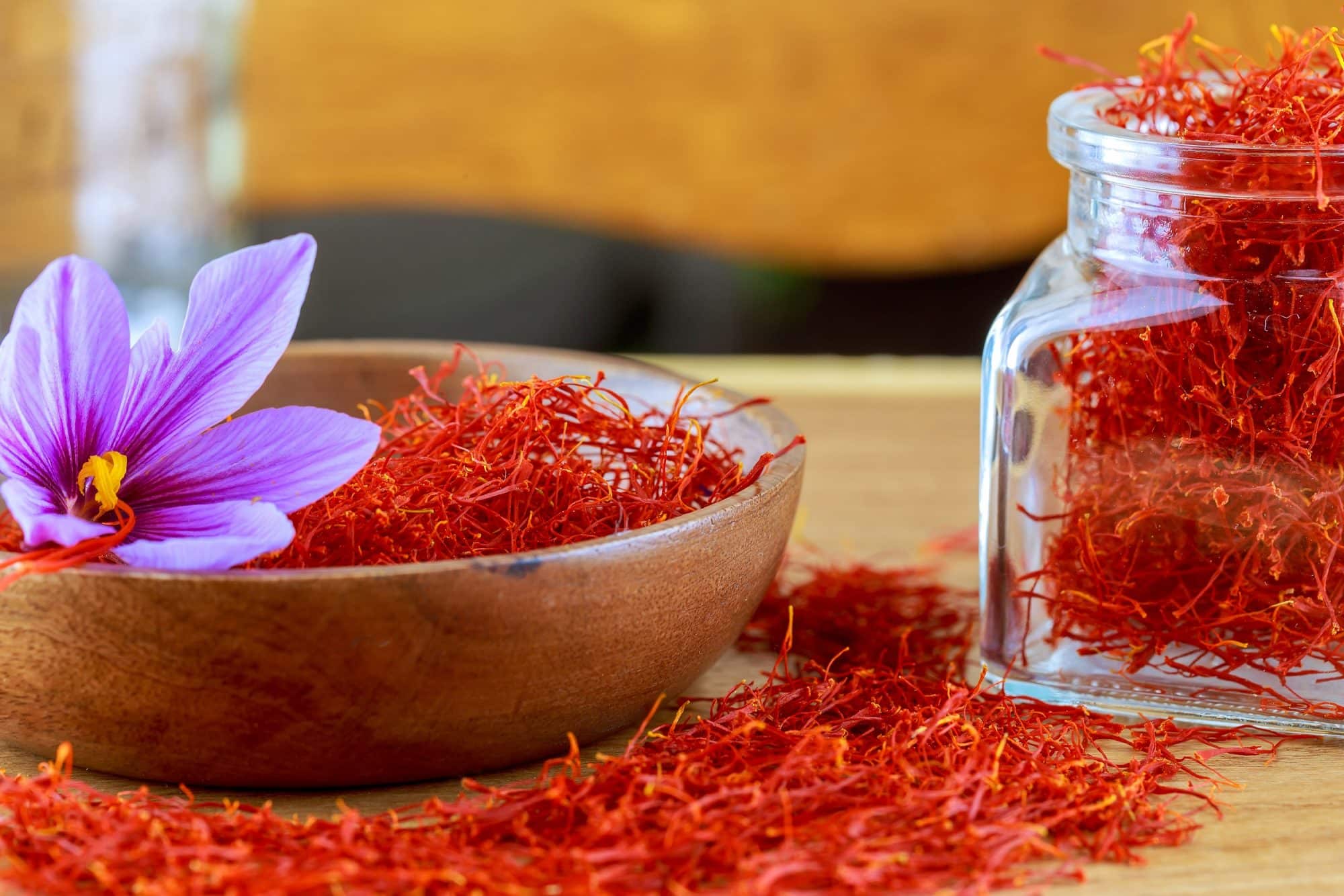
Saffron: The Golden Thread of Flavor and Luxury
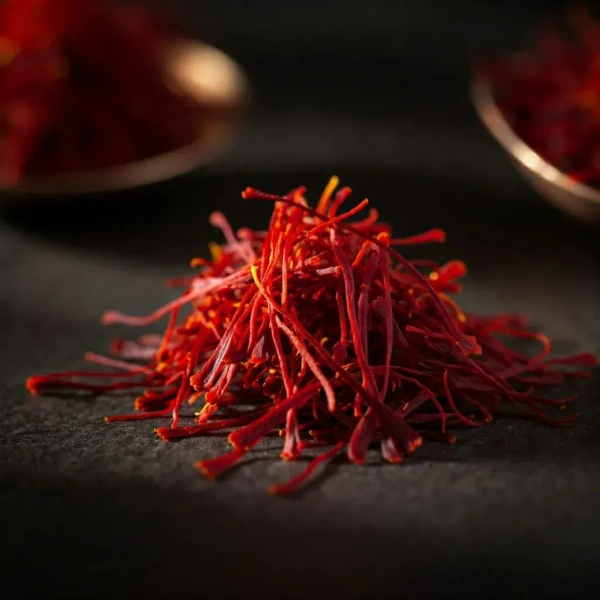
Saffron, known as the “golden thread,” is one of the rarest and most luxurious spices in the world. Its delicate aroma, vibrant color, and subtle flavor make it a prized ingredient in kitchens from the Middle East to Europe and Asia. This blog explores the fascinating story of saffron—from its ancient origins to its culinary uses, medicinal properties, and cultural significance.
For centuries, saffron has symbolized wealth, celebration, and artistry in food. Every thread tells a story of careful cultivation, labor-intensive harvesting, and the centuries of culture that have revered this extraordinary spice.
Origins and Cultivation
Saffron comes from the stigma of the Crocus sativus flower, which blooms in regions of Iran, Spain, India, and Greece. Harvesting saffron is meticulous work: the delicate red stigmas must be handpicked from each flower at dawn and carefully dried to preserve their aroma and color. It takes approximately 75,000 flowers to produce just one pound of saffron, making it both rare and valuable.
The unique climate, altitude, and soil conditions of saffron-producing regions contribute to the distinct aroma and flavor profiles. Cultivation techniques, often passed down through generations, reflect the deep cultural and economic importance of saffron in these communities.
Historical Significance
Saffron has been treasured since antiquity. Ancient civilizations in Persia, Egypt, and Greece valued it for culinary, medicinal, and ceremonial purposes. It was used in perfumes, dyes, and even as a currency in certain regions. European explorers sought saffron during the Middle Ages, and it became a symbol of luxury and prestige in royal courts.
Trade routes for saffron connected continents, bringing not only the spice but also ideas, culinary techniques, and cultural practices across regions. Saffron’s historical journey is a testament to its enduring significance in human culture.
Every thread of saffron carries centuries of history, labor, and artistry in its vibrant red strands.
Culinary Uses
Saffron is revered for its ability to infuse dishes with a golden hue, subtle sweetness, and unique aroma. In Persian cuisine, it flavors rice, stews, and desserts. In Spanish paella, saffron is essential for both color and depth of flavor. Indian biryanis and sweets rely on saffron to elevate taste and presentation. Even modern chefs are experimenting with saffron in pastries, ice creams, and cocktails, highlighting its versatility.
Because of its potency, only a few threads are needed to transform a dish. Understanding the timing and method of infusion is key to unlocking saffron’s full potential in culinary creations.
Medicinal Properties
Beyond its culinary uses, saffron has been celebrated for its medicinal benefits. Traditional medicine employs saffron to support mood, digestion, and overall wellness. Modern studies suggest saffron may have antioxidant properties, support cardiovascular health, and even contribute to emotional well-being.
Incorporating saffron thoughtfully into daily meals can provide both flavor and functional benefits, making it a spice that nourishes the body as much as it delights the senses.
Cultural Importance
Saffron has long been a symbol of luxury, celebration, and spiritual significance. In festivals, weddings, and religious rituals, saffron is used to convey prosperity, purity, and sacredness. Its vivid golden color represents life, vitality, and artistry, making it a cherished element in cultural practices worldwide.
The spice is often handed down as part of traditional recipes and ceremonial practices, connecting generations through culture, memory, and flavor.
Modern Trends and Sustainability
Today, saffron remains a sought-after ingredient for chefs, food enthusiasts, and wellness advocates. Single-origin saffron, organic varieties, and artisanal harvests highlight a growing emphasis on quality, provenance, and sustainability. Ethical practices help protect farmers and preserve the delicate ecosystems required to cultivate this rare spice.
Culinary experimentation continues to bring saffron into innovative dishes, blending tradition with modernity, and keeping its legacy alive in contemporary cuisine.
Conclusion
Saffron is more than a spice; it is a symbol of human ingenuity, culture, and artistry. Its journey from delicate crocus flowers to kitchens around the world illustrates the care, labor, and tradition behind every golden thread. By appreciating saffron’s history, uses, and significance, we can savor not just its flavor but the stories it carries across centuries and continents.
The next time you sprinkle saffron in your dish or brew it into a fragrant tea, remember that each thread embodies a golden legacy of flavor, culture, and luxury.
Leave a Reply