
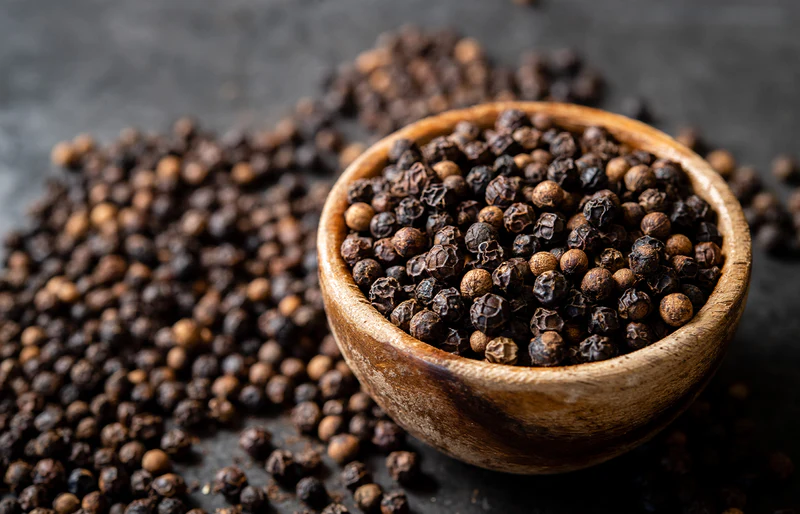
Black Pepper: The King of Spices
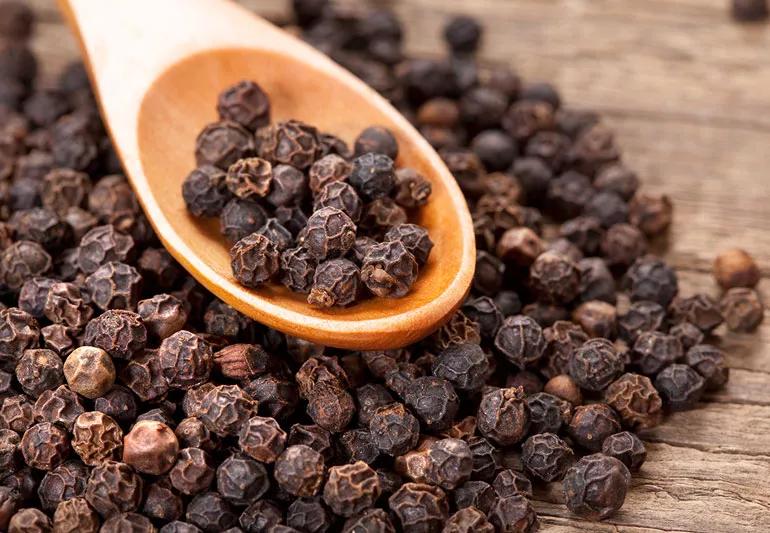
Known as the “King of Spices,” black pepper has been treasured for centuries for its bold flavor, pungent aroma, and historical significance. From ancient trade routes to modern kitchens, black pepper has played a pivotal role in shaping culinary practices and global commerce. This blog delves into the rich history, culinary uses, health benefits, and cultural importance of this iconic spice.
From lightly cracked pepper on a salad to complex spice blends, black pepper adds depth and character to countless dishes. Its journey from tropical plantations to tables around the world tells a story of exploration, trade, and human ingenuity.
Origins and Cultivation
Black pepper originates from the lush tropical regions of India, particularly the Western Ghats, where it grows on climbing vines. Harvested as unripe berries, the peppercorns are dried until dark and wrinkled, creating the spice familiar in kitchens worldwide. Indonesia, Vietnam, and Brazil are now major producers, each region imparting unique qualities to the peppercorns.
Cultivation requires careful attention to soil, climate, and vine management. Local traditions and knowledge have been passed down for generations, ensuring the highest quality pepper with optimal flavor and aroma.
Historical Trade and Influence
Black pepper was one of the earliest spices to influence global trade. In ancient times, it was so valuable that it was used as currency and a form of tribute. Arab traders controlled the spice routes, bringing pepper to Europe, where it became a symbol of wealth and status.
During the Age of Exploration, European nations sought direct access to pepper-producing regions. This quest led to the discovery of new lands, the establishment of colonies, and the beginning of global maritime trade. Black pepper’s history is intertwined with the rise of empires and the expansion of global commerce.
Black pepper is more than a spice; it is a historical force that shaped economies, exploration, and cuisines around the world.
Culinary Uses
Black pepper is an indispensable ingredient in global cuisine. Its sharp, pungent flavor enhances meats, vegetables, soups, and sauces. From Indian curries to Italian pasta, from French seasoning to Southeast Asian stir-fries, black pepper adds warmth, complexity, and a subtle heat that elevates dishes without overpowering them.
Freshly ground pepper is prized for its aroma and intensity, transforming ordinary meals into flavorful experiences. It also pairs well with other spices, amplifying their characteristics in complex blends.
Medicinal and Health Benefits
Beyond its culinary appeal, black pepper offers notable health benefits. Piperine, the active compound, is believed to improve digestion, enhance nutrient absorption, and support metabolism. Traditional medicine systems, such as Ayurveda, have long used black pepper for its warming and digestive properties.
Incorporating black pepper into meals daily provides both flavor and functional benefits, showcasing its value as a spice that nurtures both the palate and the body.
Cultural Importance
Black pepper has been a symbol of wealth, prestige, and culinary mastery. In many cultures, it represents hospitality and abundance. Its use in traditional feasts and ceremonial dishes highlights its significance beyond taste.
The spice has influenced cooking styles, trade practices, and even social structures, cementing its place as a true king among spices.
Modern Culinary Innovation
Modern chefs experiment with black pepper in novel ways: infusing oils, incorporating it into desserts, or using it in spice rubs and sauces. Specialty pepper varieties, like Tellicherry or Malabar, are sought after for their complex flavor profiles and aromatic qualities.
Black pepper continues to inspire creativity while honoring centuries of culinary tradition, making it as relevant today as it was during its historical peak.
Conclusion
Black pepper is more than a seasoning—it is a bridge between history, culture, and flavor. Its journey from tropical plantations to global tables reflects human ingenuity, trade, and the art of cuisine. By understanding its origins, culinary uses, and cultural importance, we can appreciate each crack of black pepper as a connection to centuries of history and culinary mastery.
Next time you sprinkle freshly ground black pepper on a dish, remember you are savoring a spice that has shaped kitchens, economies, and cultures across the globe.
Leave a Reply